

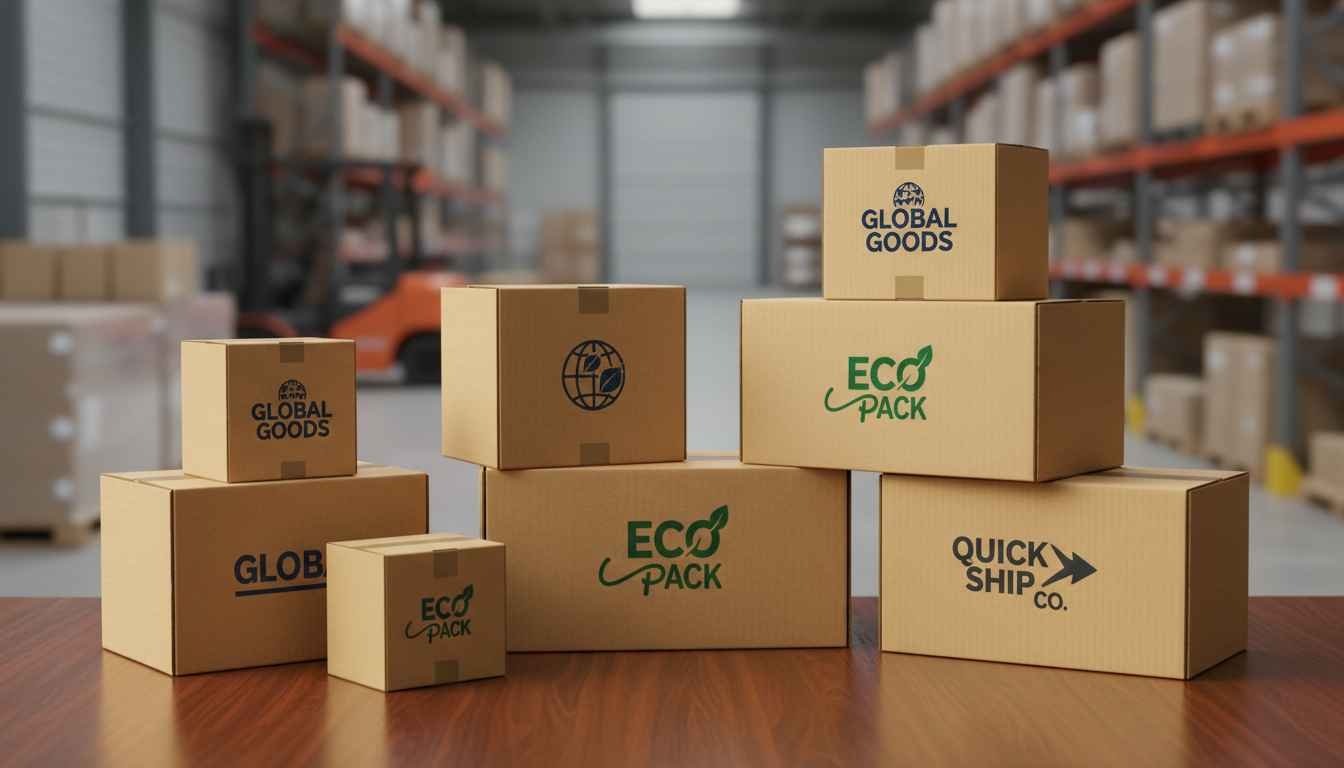
The clock is ticking. I still remember the day I decided to step away from the endless cycle of packing, shipping, and managing e-commerce boxes. For years, I had been enchanted by the promises of online selling – ease, efficiency, and a global reach at my fingertips. But behind that glossy veneer was a reality I wasn’t prepared for: the relentless demands of managing inventory, the constant fear of damaged products, and the subtle but persistent stress of ensuring every box reached its destination intact.
When I first started selling gadgets online, I treated e-commerce boxes like a mere necessity, something to house the products and get them out the door. I didn’t think much about their quality, their design, or even the small details that could affect the customer’s experience. My mistakes were small at first: a bent corner here, a crumpled flap there. But as my sales grew, these minor issues snowballed into customer complaints and lost trust. I realized that the boxes we use to ship items are not just containers – they are silent ambassadors of your brand.
Choosing the right e-commerce boxes is both an art and a science. A box that is too small risks damaging the contents, while one that is too large adds unnecessary shipping costs. The material matters as well; corrugated cardboard, reinforced edges, and protective inserts can make a world of difference. It was during this stage of trial and error that I discovered a surprising number of sellers undervalue the importance of their packaging. A box is no longer just a shipping solution – it is a statement of reliability and professionalism.
One particular incident stands out. I shipped a batch of smartphones in generic boxes I thought were sufficient. Half arrived with minor scratches, and the rest had serious issues due to insufficient padding. That single shipment cost me more than I had imagined – not just in returns, but in reputation. From that day, I committed myself to understanding the intricacies of e-commerce boxes, learning about sizes, strength ratings, and even eco-friendly options that could impress environmentally conscious customers.
It wasn’t just about protection. The unboxing experience became a critical factor. Studies have shown that a well-packaged product increases customer satisfaction by over 60 percent and can encourage repeat purchases. I started experimenting with customized boxes, inserts that held devices snugly, and designs that conveyed a sense of care and attention to detail. It was a game changer. Customers began sharing pictures of their unboxing moments, and suddenly, a simple box was becoming a marketing tool in its own right. Along the way, I even found resources like Cashify helpful for managing old devices and ensuring sustainable practices in gadget resale.
Why I Quit Cutting Corners on E-Commerce Boxes
It took me years, but I finally understood the cost of cutting corners. I had been thinking short-term – cheaper boxes, faster processing, less time spent on packing – but the long-term effects were damaging. Customers expect products to arrive in pristine condition, and the box is their first point of contact. A flimsy, poorly designed container signals indifference. Every returned item was a blow, every negative review a reminder of my oversight.
So I quit ignoring the importance of e-commerce boxes. I switched to high-quality, durable options, investing in boxes that were not just functional, but carefully crafted to enhance the user experience. Reinforced edges, padded interiors, and precise dimensions became non-negotiable. My shipping times improved, my returns decreased, and customer feedback turned overwhelmingly positive. The lesson was simple: never underestimate the power of good packaging.
Potential Drawbacks
Of course, not everything about high-quality e-commerce boxes is perfect. The upfront cost can be higher, and if you miscalculate dimensions, you might still run into logistical headaches. They take up more storage space, and switching suppliers can be a challenge if your order quantities are small. Additionally, over-engineering packaging can lead to unnecessary environmental waste. These factors are why it’s crucial to balance protection, cost, and sustainability carefully. Understanding these drawbacks was part of the learning curve that finally allowed me to streamline operations without compromising quality.
Who Should Avoid Neglecting E-Commerce Boxes
If you’re selling delicate electronics, luxury items, or anything prone to damage, ignoring the importance of your boxes is a costly mistake. Startups aiming for quick profits often overlook this, only to face returns and bad reviews that stunt growth. On the flip side, established sellers with repeat customers know that consistent packaging quality is a silent trust builder. Neglecting this aspect is a risk that neither emerging nor seasoned e-commerce businesses can afford.
In the end, my journey with e-commerce boxes taught me that attention to detail matters at every stage of the supply chain. From sourcing high-quality materials to designing an unboxing experience that delights customers, the choices you make around your packaging reverberate far beyond the warehouse. It’s not just about shipping products – it’s about creating a seamless, trustworthy, and memorable brand experience.
The clock is ticking for anyone still underestimating the importance of e-commerce boxes. The small investment in quality, thoughtful design, and durability pays dividends in customer loyalty, reduced returns, and stronger brand perception. I quit cutting corners because the alternative was too costly. For those willing to prioritize every detail, your boxes can become one of your greatest assets, silently speaking volumes about your commitment to excellence.