

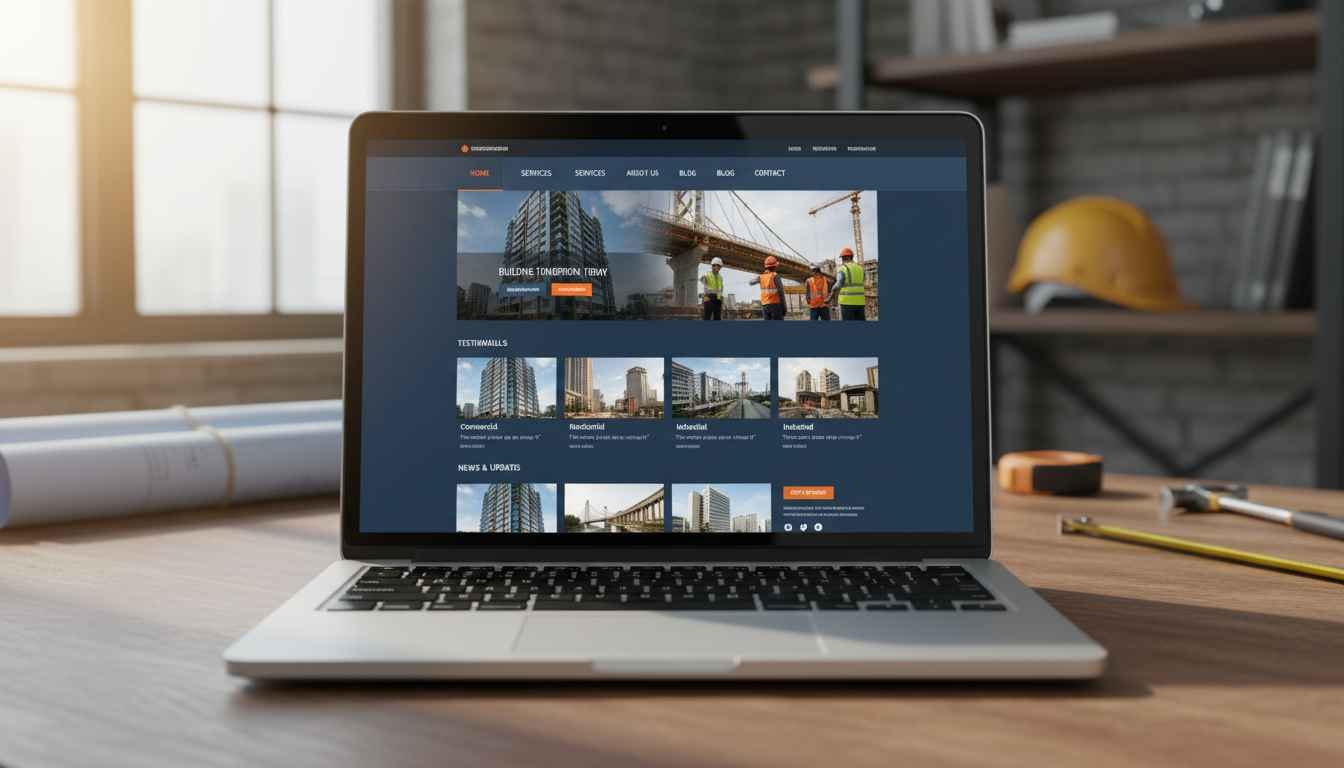
Did you know 90% of construction companies lose potential clients due to outdated or confusing websites? In an industry driven by trust, reliability, and craftsmanship, your online presence is often the first impression – and a poor one can be costly. Tandem construction website design offers a strategic approach to ensure your digital footprint mirrors the quality of your projects while guiding potential clients through an intuitive and engaging journey.
Tandem construction website design is about creating harmony between functionality and aesthetics. Unlike traditional websites that rely solely on visuals or basic navigation, a tandem design integrates multiple layers of interaction. This includes streamlined project galleries, client testimonials, easy-to-access service information, and contact forms optimized for conversion. The goal is to move visitors seamlessly from curiosity to engagement without overwhelming them.
One of my earliest mistakes in website design was focusing purely on flashy visuals without considering navigation flow. Visitors would arrive, admire the design, but quickly leave because they couldn’t find the services or portfolio sections. Learning from that, I now emphasize a tandem approach – balancing design sophistication with functional clarity.
Understanding the Marketing Funnel in Tandem Construction Websites
Every successful construction website should align with the marketing funnel stages: awareness, consideration, and decision. At the awareness stage, your homepage, blog posts, and social proof establish credibility. During consideration, service pages, detailed project portfolios, and client testimonials provide reassurance. Finally, in the decision stage, clear calls-to-action, accessible contact forms, and transparent pricing encourage conversion.
A tandem design ensures each stage of the funnel is interconnected. Visitors can explore a project gallery, read about the materials used, and instantly reach out for a consultation without navigating multiple confusing menus. This fluidity increases engagement and positions your brand as both competent and approachable.
Key Elements of Tandem Construction Website Design
1. Responsive Layouts: Your website must look flawless on desktop, tablet, and mobile devices. A responsive tandem layout adjusts dynamically, ensuring users have a consistent experience.
2. Interactive Project Galleries: Showcase completed projects with high-quality images, before-and-after comparisons, and detailed project descriptions. Interactive features keep potential clients engaged longer.
3. Clear Calls-to-Action: Each page should guide visitors toward taking meaningful steps, whether requesting a quote, subscribing to a newsletter, or scheduling a consultation.
4. Client Testimonials and Case Studies: Real stories from satisfied clients build trust and reinforce your reputation in the construction industry.
5. Seamless Navigation: A well-planned tandem site allows visitors to move effortlessly between sections, reducing bounce rates and increasing conversion opportunities.
For businesses looking to explore high-quality materials and integrate sustainability, resources like Second Use Building Materials and Salvage provide inspiration and practical solutions for content integration.
Comparison Table: Traditional vs Tandem Construction Websites
| Feature | Traditional Website | Tandem Construction Website |
|---|---|---|
| Navigation | Basic menus, sometimes confusing | Intuitive flow guiding users through the funnel |
| Visuals | Static images, limited interactivity | Dynamic galleries with before-and-after effects |
| Client Engagement | Minimal forms, unclear CTAs | Multiple touchpoints for conversions |
| Mobile Experience | Often inconsistent | Fully responsive and fluid layout |
| Content Integration | Limited storytelling | Strategically placed testimonials, case studies, and educational content |
Potential Drawbacks to Consider
While tandem construction website design offers many advantages, it is not for everyone. Small construction businesses with limited budgets might find the initial investment in design and development higher than a basic site. Additionally, tandem designs require ongoing maintenance to ensure interactivity, responsiveness, and SEO optimization remain effective. Without regular updates, the benefits can diminish over time.
Why Tandem Design Boosts Conversion
Data from industry surveys shows that websites optimized for the full marketing funnel can increase lead conversion by up to 45%. The tandem approach, by guiding users through an intentional journey and providing multiple engagement points, maximizes the likelihood of converting casual visitors into committed clients. From the homepage to the contact page, every element serves a purpose.
Best Practices for Implementing Tandem Construction Website Design
Focus on user-centric design, high-quality visuals, and content that demonstrates expertise. Integrate case studies and testimonials early to build credibility. Ensure your contact information and CTAs are prominent. Finally, regularly monitor analytics to identify where users drop off and refine your funnel accordingly.
Investing in a tandem construction website is more than just a design choice – it’s a strategic move that positions your business for growth. By harmonizing aesthetics with functionality, guiding users through a carefully crafted funnel, and providing transparent, trustworthy content, you not only attract visitors but convert them into clients who appreciate the quality and reliability your brand represents.