

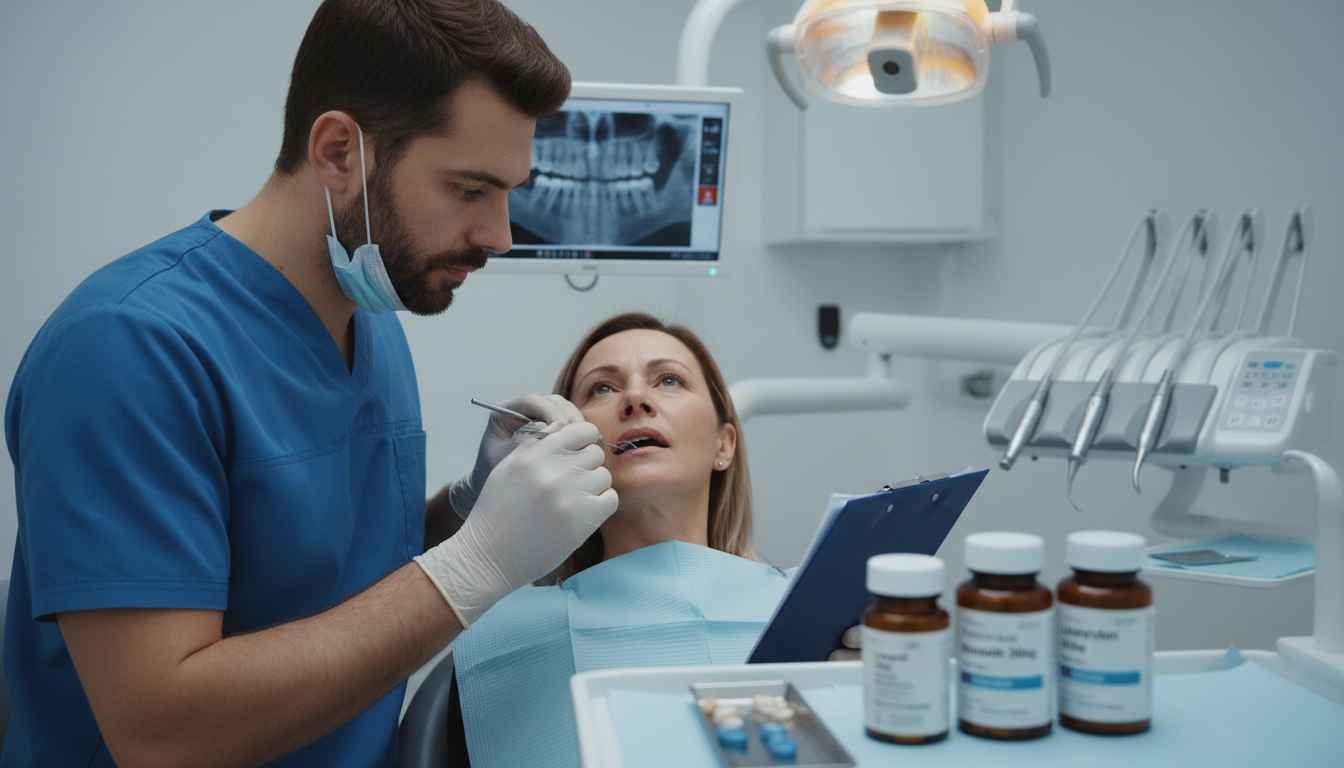
Did you know 90% of adults taking chronic medications may experience complications during routine dental procedures? From simple cleanings to complex oral surgeries, certain medications can alter bleeding, healing, and infection risk, turning a standard appointment into a potential medical emergency.
Understanding which medications interact with dental care is not optional – it’s critical. Drugs ranging from blood thinners to certain antidepressants and chemotherapy agents can dramatically influence outcomes. Ignorance here can lead to severe gum bleeding, delayed healing, or even systemic infections.
Time & Cost Estimate: Routine dental appointments can be impacted by medication-related delays. Expect extra consultation time of 15–30 minutes and potential additional costs for pre-procedure labs or specialist coordination, roughly $50–$200 depending on complexity.
Medications That Directly Influence Dental Procedures
Anticoagulants like warfarin and newer oral agents increase bleeding risk during extractions or deep cleaning. Dentists must coordinate with your physician to adjust dosing or schedule procedures around safer windows.
Antiplatelet medications, including aspirin or clopidogrel, also require careful planning. Stopping these without guidance can trigger strokes or heart attacks, while proceeding without precautions can result in excessive oral bleeding.
Immunosuppressants, commonly prescribed for autoimmune disorders or organ transplants, reduce the body’s ability to fight oral infections. Routine dental work can escalate into severe infections if proper prophylaxis and hygiene measures are ignored.
Some antihypertensives cause gum overgrowth or dry mouth, which can complicate cleanings and increase susceptibility to cavities and periodontal disease. Recognizing these side effects allows dental professionals to adapt treatment and prevent long-term oral damage.
Medications That Indirectly Affect Oral Health
Bisphosphonates, prescribed for osteoporosis, can interfere with bone healing after tooth extractions, potentially leading to osteonecrosis. Dental surgeons must assess therapy duration and patient risk factors before performing invasive procedures.
Chemotherapy and radiation agents compromise immune function and mucosal integrity, raising the stakes for even minor dental interventions. Proactive oral care before starting these treatments can prevent severe complications.
Common pain relievers like NSAIDs or corticosteroids may mask infection symptoms or alter inflammation responses, making it harder for dentists to identify problems early. Full medication disclosure is essential for accurate diagnosis and safe management.
Expert Perspective on Medication Management
Dr. Lena Marquez, a dental pharmacology specialist, notes, “Patients often underestimate the systemic impact of their medications on dental procedures. A coordinated approach between dentists and prescribing physicians is not optional – it’s lifesaving.”
Integrating medical and dental care ensures that procedures are timed appropriately, medications are adjusted safely, and risks are minimized. This is particularly important for patients with chronic conditions or those on multiple medications.
For specialized guidance on coordinating your medications with broader healthcare needs, including vision and systemic health, consult Eyecare Services in Springs, Co at Haas Vision Center where comprehensive patient care is prioritized.
Potential Drawbacks and Who Should Avoid Certain Treatments
Patients on potent anticoagulants or high-dose corticosteroids should avoid elective invasive dental work unless carefully managed by their healthcare providers. Similarly, those receiving chemotherapy or recent organ transplant recipients face elevated infection and healing risks.
Understanding medication risks allows for realistic treatment planning. Dental professionals may delay procedures, adjust techniques, or employ prophylactic antibiotics to mitigate complications. Transparency about medications protects both patient and practitioner from unforeseen emergencies.
Practical Steps to Safeguard Dental Procedures
Step one: Create a complete, up-to-date medication list. Include prescriptions, over-the-counter drugs, supplements, and herbal remedies.
Step two: Share this list with your dentist well before any procedure. Advance notice allows for safe planning and potential physician consultation.
Step three: Schedule procedures strategically around medication dosing when possible. For example, minor extractions may be safer at specific times relative to anticoagulant intake.
Step four: Maintain meticulous oral hygiene. Reducing plaque and gum inflammation lowers the risk of infection and complications, especially when immune function is compromised.
Step five: Follow all pre- and post-procedure instructions strictly. Antibiotic prophylaxis, special rinses, and close monitoring are essential for patients on high-risk medications.
Final Takeaways
Medications that affect dental treatment are common and often unavoidable, but their risks are manageable. Proper planning, open communication, and coordinated care transform potentially hazardous appointments into safe, routine procedures. Ignoring these interactions can lead to severe complications, but informed patients and proactive dentists turn risk into control.
Whether you are managing chronic conditions or taking short-term medications, understanding their impact on oral health is critical. Act now to prevent complications and ensure safe, effective dental care.