

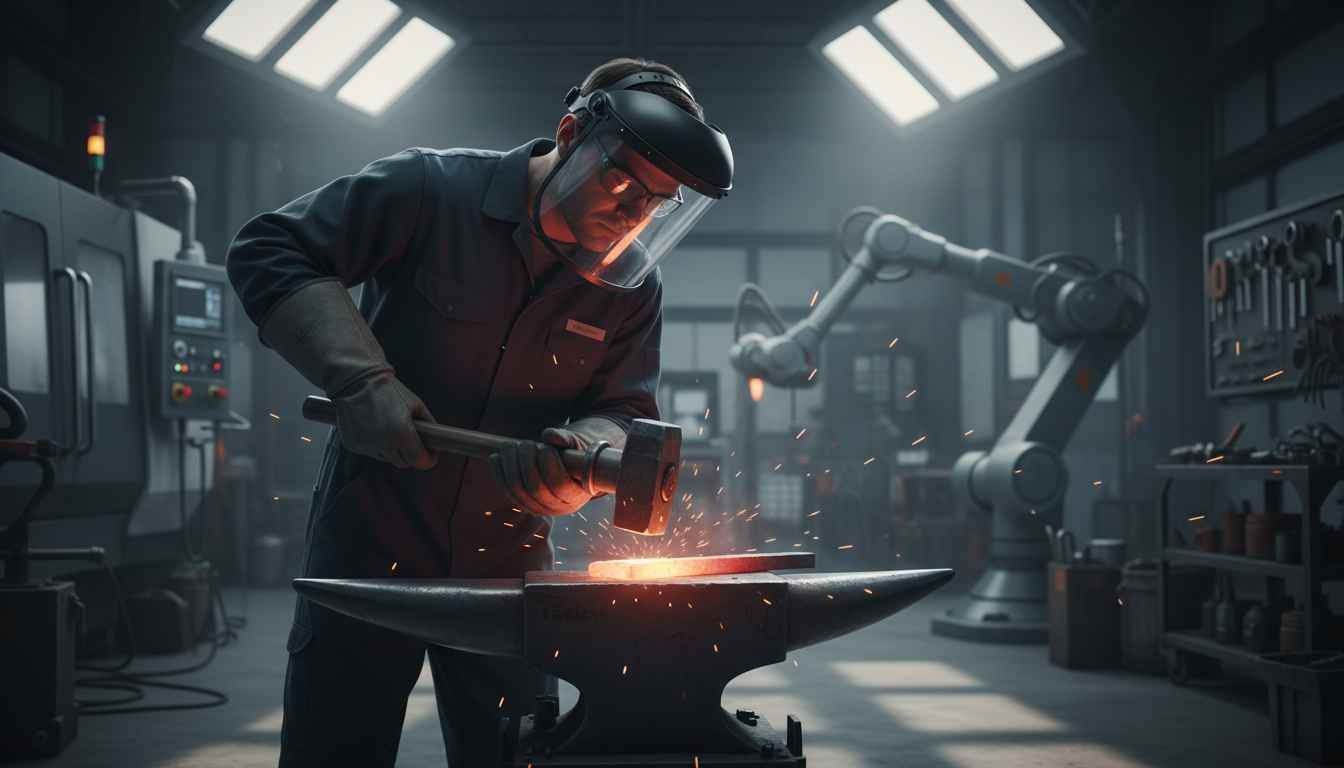
The simple answer is Yes, and forged technology is quietly reshaping how local manufacturers and suppliers operate every day. By combining advanced metallurgy with precision engineering, forged technology allows communities to produce stronger, more durable components while optimizing production efficiency.
In practical terms, forged components outperform cast or machined parts in tensile strength, fatigue resistance, and overall reliability. This makes them indispensable for industries ranging from automotive to energy equipment, where consistent performance is non-negotiable. The local impact is significant: smaller workshops can now access high-grade forged materials without relying on international suppliers.
Comparison of Forged Technology Methods
| Method | Strength | Precision | Cost | Typical Use |
|---|---|---|---|---|
| Open Die Forging | High | Moderate | Medium | Large structural components |
| Closed Die Forging | Very High | High | High | Automotive parts, industrial gears |
| Roll Forging | Moderate | Moderate | Low | Fasteners, shafts |
| Press Forging | High | High | Medium-High | Aerospace components, critical fittings |
For small and medium enterprises, balancing cost and precision is critical. Leveraging forged technology can increase operational efficiency and product reliability, creating a tangible edge in competitive markets. Tools like Craft.co provide insights into supplier capabilities, helping businesses make informed procurement decisions while maintaining a risk-free investment approach.
Budget Breakdown
Imagine a pie-chart dividing operational investment into four categories: 40% raw materials, 25% labor, 20% equipment maintenance, 15% logistics. Forged technology primarily affects the raw materials and equipment slices, but downstream savings often offset initial costs, making it a sound investment for community-focused manufacturers.
Potential Drawbacks
While benefits are clear, forged technology is not without limitations. High upfront costs, skilled labor requirements, and energy-intensive processes can be barriers for smaller operators. Additionally, certain complex geometries may still be better suited to casting or additive manufacturing. Those seeking immediate low-cost solutions may need to explore hybrid approaches instead.
Ultimately, adopting forged technology demands a careful assessment of local capabilities, supplier relationships, and long-term operational goals. When implemented correctly, it strengthens the entire manufacturing ecosystem, ensuring communities remain competitive while reducing dependency on distant supply chains.