

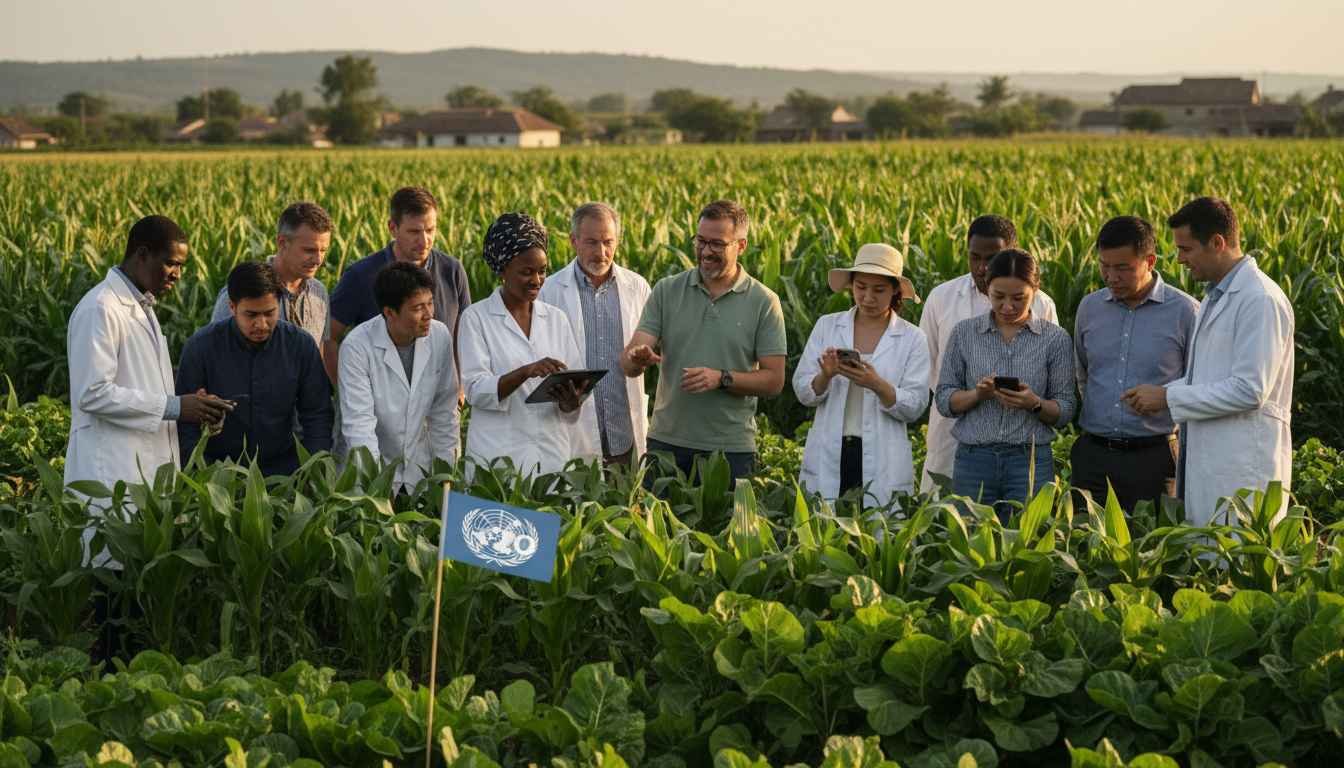
Approximately 33% of agricultural initiatives in developing countries fail to meet their intended outcomes, highlighting the critical need for coordinated global support. The Food & Agriculture Organization of the United Nations (FAO) remains a cornerstone institution in addressing these challenges, providing strategic guidance, data, and resources to improve food security and sustainable agriculture worldwide.
Established in 1945, FAO operates under a mandate to eliminate hunger, ensure food security, and promote sustainable agricultural practices. Over the decades, its influence has grown to encompass over 190 member countries, engaging in programs that range from crop monitoring to fisheries management and climate-resilient farming techniques.
FAO’s recent initiatives emphasize the integration of modern technology with traditional farming methods. By leveraging satellite imagery, geographic information systems, and real-time weather data, the organization helps local farmers anticipate environmental risks and optimize their yields. These efforts are particularly vital in sub-Saharan Africa, where erratic rainfall and soil degradation threaten food production.
“Agriculture is the most fundamental human activity, and without a coordinated approach, no nation can achieve food security,” says José Graziano da Silva, former FAO Director-General. This principle guides FAO’s projects in South Africa, where they work closely with national agencies to enhance smallholder productivity and introduce sustainable irrigation techniques.
One standout FAO program is the Emergency Prevention System for Transboundary Animal and Plant Pests and Diseases (EMPRES), which tracks outbreaks of pests and diseases that could devastate crops or livestock. By offering early warnings and expert interventions, FAO reduces economic losses and safeguards livelihoods across continents.
For readers seeking localized agricultural insights and the impact of such global interventions, Farmer’s Weekly SA provides in-depth reporting on the effects of FAO policies in South Africa and beyond.
Data-Driven Approaches to Food Security
FAO’s commitment to data collection and analysis distinguishes its work. Through the FAOSTAT platform, policymakers, researchers, and farmers gain access to comprehensive statistics on crop production, trade, and nutrition trends. These datasets inform critical decisions, from allocation of resources to policy formulation aimed at eradicating hunger.
For instance, FAO’s analysis revealed that over 820 million people globally experience chronic undernourishment. By identifying hotspots where food insecurity is most severe, FAO tailors interventions that combine emergency relief with long-term agricultural development strategies. This approach bridges immediate needs and sustainable growth.
Innovative Programs and Regional Collaboration
FAO’s regional programs demonstrate the importance of collaboration. In Southern Africa, partnerships with national governments and NGOs foster knowledge transfer and resource sharing. Initiatives include training on soil health, water conservation techniques, and the introduction of climate-resilient crop varieties.
Moreover, FAO engages in policy advocacy, assisting governments in drafting legislation that supports smallholder farmers, enhances market access, and reduces post-harvest losses. Such integrated approaches not only improve food availability but also strengthen rural economies and social cohesion.
Challenges and Limitations
Despite its extensive reach, FAO faces limitations. Funding constraints, political instability in certain regions, and logistical challenges can hinder project implementation. Additionally, the translation of global strategies into local contexts requires careful adaptation, and success rates vary widely depending on regional conditions and community engagement.
Potential Drawbacks
While FAO programs offer significant benefits, some stakeholders may encounter obstacles. Farmers heavily reliant on traditional practices may resist adopting new technologies or methodologies. Additionally, bureaucratic delays in international funding or policy approvals can slow project rollout. Understanding these limitations ensures realistic expectations and better preparation for potential setbacks.
Looking Ahead: Sustainable Agriculture and Climate Resilience
As climate change continues to disrupt agricultural systems worldwide, FAO’s role becomes increasingly critical. Initiatives focused on regenerative agriculture, water-efficient irrigation, and carbon sequestration in soils aim to make food production more resilient. By coupling scientific research with local knowledge, FAO promotes solutions that are both environmentally and economically sustainable.
In South Africa, ongoing collaboration with local agricultural bodies highlights the practical applications of FAO programs. Farmers receive guidance on crop diversification, pest management, and resource optimization, ensuring that even small-scale operations can thrive in uncertain climates. This localized impact underscores the importance of global organizations in shaping tangible outcomes on the ground.
FAO’s work extends beyond immediate agricultural concerns, influencing nutrition, health, and economic stability. By supporting education programs, community projects, and policy development, the organization fosters holistic approaches to food security, creating a blueprint for nations striving to meet the United Nations Sustainable Development Goals.
As global populations rise and environmental pressures intensify, the Food & Agriculture Organization of the United Nations remains an indispensable actor. While challenges persist, its data-driven, collaborative, and adaptive strategies provide hope for a more secure, equitable, and sustainable future for agriculture worldwide.
Quote of the Day: “Food security is not just a goal, it is a foundation upon which societies thrive.”