

Key Takeaways
– Dental imaging technologies in West Babylon offer advanced diagnostics for precise treatment planning.
– Cone Beam Computed Tomography (CBCT) and digital radiography are leading tools in modern dental imaging.
– High-resolution imaging enhances patient safety and reduces procedure times.
– Awareness of radiation exposure and cost is essential before choosing an imaging modality.
– Patients with certain medical conditions or implants should consult with their dentist before imaging.
Good news and bad news. The good news is that dentists in West Babylon have access to cutting-edge imaging technologies that make diagnosing and treating dental issues almost eerily precise. The bad news is that some of these tools might make your inner hypochondriac gleefully anxious about the exact number of cavities you may or may not have. But fear not – these technologies are designed with safety, efficiency, and patient comfort in mind, not to give you a heart attack before your routine cleaning.
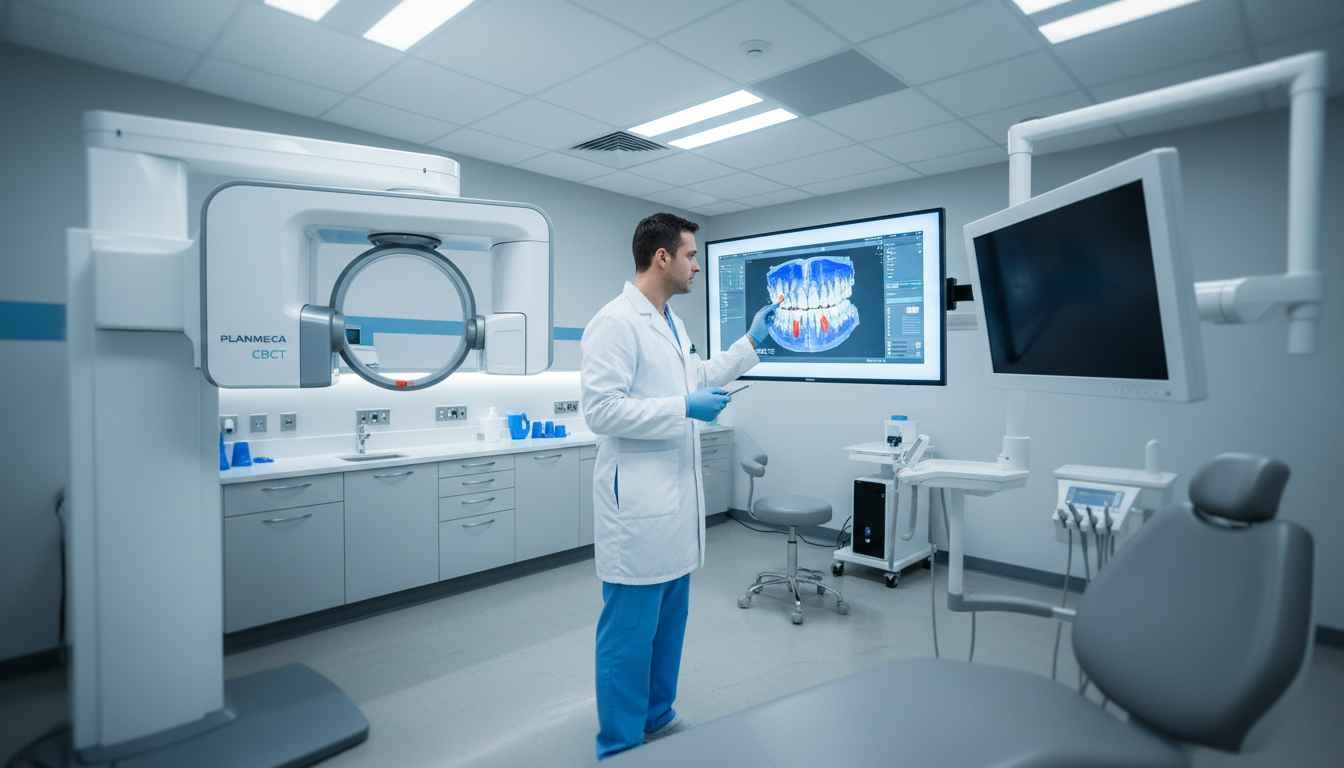
Dental imaging in West Babylon has evolved far beyond the days of fuzzy black-and-white X-rays that looked more like abstract art than diagnostic tools. Today, practitioners rely on Cone Beam Computed Tomography (CBCT), digital panoramic radiographs, and intraoral scanners that capture every nook and cranny of your oral cavity. These systems provide highly detailed images that allow dentists to detect issues early, plan surgeries with millimeter accuracy, and even simulate outcomes of procedures.
CBCT, in particular, has transformed implant planning. Unlike traditional 2D X-rays, CBCT produces a three-dimensional map of your jaw, showing the exact position of nerves, bone density, and sinus cavities. For patients undergoing dental implants, this means fewer surprises, shorter procedure times, and significantly lower risk of complications. According to the American Academy of Oral and Maxillofacial Radiology, CBCT is recommended for complex dental cases where precision is critical.
In today’s fast-paced technological environment, maintaining the functionality of your RF technologies headset is crucial for seamless communication and productivity. Whether you’re using them for professional purposes or personal enjoyment, understanding the intricacies of headset maintenance can save you time and money. This article serves as a comprehensive resource, offering insights into common issues, troubleshooting techniques, and effective repair methods. For those looking to dive deeper into the specifics, our rf technologies headset repair guide will equip you with the knowledge needed to effectively tackle any challenges that may arise with your devices. By mastering these skills, you can ensure your headsets remain in top condition and continue to enhance your audio experience.
As the landscape of global manufacturing continues to evolve, local industries are increasingly turning to innovative solutions to stay competitive. Among these solutions, forged technology has emerged as a game changer, enabling businesses to enhance production efficiency and reduce costs. This transformative approach not only streamlines supply chains but also fosters a more resilient manufacturing environment by allowing local producers to respond swiftly to market demands. In this article, we will explore how forged technology is reshaping the future of local manufacturing, driving sustainability, and empowering communities to thrive in an interconnected economy.
Digital radiography is another mainstay of modern dental imaging. West Babylon clinics are increasingly using sensors instead of film, allowing for instant image capture and analysis. This technology reduces radiation exposure by up to 80% compared to conventional X-rays, which is reassuring for patients who worry about cumulative radiation from routine dental visits. Plus, digital images can be enhanced, zoomed, and shared electronically, streamlining consultations and referrals.
While these innovations sound like they belong in a sci-fi movie, they are very much grounded in practical, real-world benefits. Dentists can now spot fractures, root resorption, early-stage cavities, and periodontal bone loss with unprecedented clarity. Moreover, some West Babylon offices have integrated artificial intelligence into their imaging workflows. AI can highlight anomalies, predict potential risks, and even suggest treatment plans, turning your dentist into something resembling a dental superhero.
For those curious about the local tech landscape supporting these advancements, platforms like Built In have documented the rise of dental startups and tech providers in nearby regions, offering a glimpse into how innovation is reshaping oral healthcare services from a technological perspective.
Who Should Avoid This or Potential Drawbacks
Despite the many advantages, dental imaging technologies are not universally suitable for every patient. Individuals with certain medical implants or conditions – such as pacemakers or severe claustrophobia – may need alternative imaging methods. Pregnant patients are usually advised to limit exposure to CBCT and traditional X-rays unless absolutely necessary. Additionally, the cost of advanced imaging can be a barrier, as not all insurance plans cover CBCT or high-resolution digital scans. Transparency from your dental provider about necessity, safety, and pricing is key to avoiding surprises.
In some cases, overreliance on high-tech imaging may lead to overtreatment. The clarity of modern images can tempt both dentist and patient into addressing minor irregularities that might have remained harmless. Evidence-based guidelines suggest imaging should be used judiciously, aligning with diagnostic necessity rather than technological enthusiasm alone.
Future Trends in Dental Imaging
Looking ahead, West Babylon dental offices are exploring 3D printing integration with imaging data, allowing dentists to create precise surgical guides and prosthetics. Additionally, developments in low-dose CBCT technology aim to make repeated imaging safer, even for patients with chronic dental conditions requiring frequent monitoring. Artificial intelligence will likely play a growing role in predictive diagnostics, detecting issues before symptoms appear, and optimizing treatment plans for efficiency and patient comfort.
The bottom line is that dental imaging technologies in West Babylon are not merely futuristic gadgets – they are essential tools that enhance diagnostic accuracy, improve patient safety, and support personalized care. When used appropriately, they provide clear, actionable information that guides dental treatment with precision and confidence. Patients should embrace these innovations while staying informed about potential drawbacks, ensuring that technology serves their health without overcomplicating the experience.
In an era where information is abundant, and dental technology is advancing at breakneck speed, West Babylon residents can take comfort knowing that their oral health is supported by tools that combine science, safety, and a touch of technological flair. After all, nothing says reassurance like a high-resolution 3D map of your jaw, letting both you and your dentist sleep a little easier at night – well, until your next checkup.