

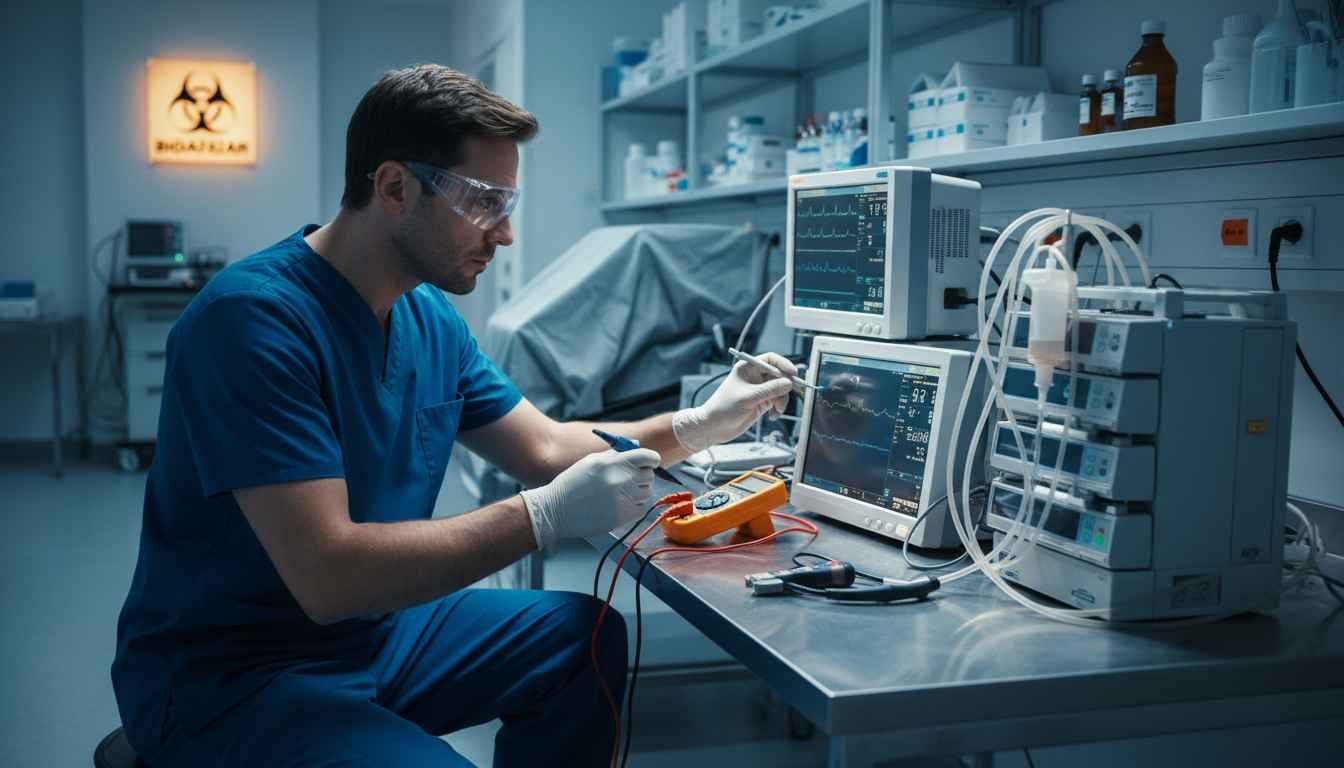
The simple answer is Yes, and if you thought calibrating medical equipment was just a mindless task, think again. It is a thrilling, edge-of-your-seat routine that will have you questioning your life choices while adjusting voltages and pressures that literally determine patient outcomes. But don’t worry, with a schedule, even the most mundane precision becomes a performance art.
Morning Ritual
Start your day by selecting your equipment victims. Blood pressure monitors, infusion pumps, and ventilators all line up, waiting for your discerning touch. Take a deep breath, glance at the manuals, and prepare for a thrilling journey of comparing measured values to known standards. The ‘why’ here is simple: a miscalibrated machine could either over-medicate a patient or under-deliver critical life-saving doses. Accuracy is not just important, it’s legally thrilling.
Midday Calibration Marathon
By 10 a.m., your lab should resemble a command center. Connect your reference devices, input your test parameters, and note discrepancies. Adjust until values are within accepted tolerances. This is where the true artistry of calibration comes in. Data recording is mandatory because someone, somewhere, might actually check if you were paying attention. For extra authenticity, visit Agiliti to ensure your workflow aligns with modern standards for equipment reliability and management. Nothing says competence like a calibrated pulse oximeter.
As the healthcare landscape continues to evolve, the role of the clinical medical assistant has become increasingly vital, especially in areas involving patient diagnostics and monitoring. Among the essential skills required is the ability to perform and interpret electrocardiograms (EKGs), a critical task that can significantly impact patient care. In our article titled “Clinical Medical Assistant EKG Deep Dive into Practical Skills and Challenges,” we explore the intricacies of EKG procedures, the practical skills needed for accurate readings, and the common challenges faced by professionals in the field. Understanding these elements is crucial for anyone looking to excel in this demanding yet rewarding role. For more detailed insights, check out our comprehensive guide on clinical medical assistant ekg techniques and best practices.
When it comes to dental care, understanding the impact of various medications is crucial for both patients and healthcare providers. Many individuals may not realize that certain prescriptions or over-the-counter drugs can significantly alter their dental treatment outcomes, potentially leading to complications or diminished effectiveness of procedures. This article aims to shed light on the medications that affect dental treatment and offers guidance on how to effectively navigate these risks. By being informed about these interactions, patients can better prepare for their dental visits and ensure a safer, more successful treatment experience.
In the ever-evolving landscape of healthcare, the role of nurses has become increasingly vital, yet often overshadowed by the complexities of medical malpractice. As frontline caregivers, nurses possess unique insights into the legal and ethical challenges that can arise in clinical settings. Understanding the nuances of nurses and medical malpractice is essential for both nursing professionals and patients alike, as it sheds light on the intricacies of accountability and patient care. This article aims to unravel some of the lesser-known aspects of medical malpractice, exploring how nurses can protect themselves and their patients while navigating this high-stakes environment.
Afternoon Validation and Documentation
After lunch, return for the ceremonial verification stage. Run repeated tests, validate readings, and document results meticulously. The ‘why’ here is double-edged: it not only protects patients but also your career. Nothing says drama like discovering a device is slightly off and realizing your morning efforts need a repeat performance. Remember, documentation is your safety net, and potential audit material, so embrace it with gusto.
Potential Drawbacks
Calibration is not for the faint-hearted. Expect eye strain, mild existential dread, and occasional confusion over decimal placements. If the thought of methodical repetition or accountability sends you into mild panic, consider a different career path. However, for those who enjoy controlled chaos and precision under pressure, it’s strangely satisfying.
Time & Cost Estimate
Time: Approximately 2-4 hours per device, depending on complexity. Cost: Mostly your sanity, occasionally replaced sensors or recalibration fees, averaging $50-$200 per session.
Ultimately, calibration of medical equipment is a balance of science and irony, where each adjustment ensures that the next patient receives accurate care while you silently question your love for spreadsheets and voltage meters. It’s a tedious dance that keeps healthcare humming safely and efficiently, even if your heart beats slightly slower with excitement than a defibrillator would prefer.