

Bad smell coming from AC? How to eliminate the odor
Is a terrible, nasty smell coming from your AC the second you turn it on? You likely have dangerous mold growing deep inside the damp coils that urgently needs cleaning right now. It is incredibly frustrating when you want fresh, cold air but get blasted with a dirty gym sock smell instead. Do not panic.
Look, I visited a stunning penthouse in Dubai Marina last month. The tenant was embarrassed to invite guests over because her expensive central AC constantly smelled exactly like rotten eggs. I quickly opened the main access panel. The hidden drain pan was completely filled with thick green algae and stagnant water. I cleaned it thoroughly. Pure, fresh air returned instantly.
Why your AC smells so bad suddenly
Actually, your modern air conditioner naturally pulls vast amounts of moisture directly out of the warm room air. This constant heavy condensation makes the dark inside of the machine incredibly damp. When sticky dust aggressively mixes with that trapped moisture, it creates the absolutely perfect breeding ground for smelly bacteria and dangerous mold to actively thrive.
The dreaded dirty sock syndrome
If your room suddenly smells exactly like a locker room full of dirty gym socks, you have a massive bacterial issue. Tiny microbes actively grow heavily on the indoor evaporator coils. When the fan rapidly blows air over these deeply infected metal coils, the terrible musty smell is violently pushed directly into your pristine living space.
Smells like old rotten eggs
A terrible rotten egg smell is completely different and incredibly serious. Sometimes, small geckos or tiny birds unfortunately get trapped inside the outdoor unit and sadly pass away. As they naturally decompose in the brutal heat, the heavy fan sucks that horrific smell directly inside. It is absolutely disgusting, but it happens quite frequently here.
How to safely troubleshoot the foul odor
Listen, before you absolutely panic and blindly spray toxic chemical perfumes into the expensive vents, try to easily identify exactly what type of smell it actually is. Distinct odors clearly point to very different internal problems. Accurately knowing the smell helps you permanently fix the root cause instead of just temporarily masking the terrible stench.
Check for stagnant pan water
Safely grab a flashlight and carefully look closely at the indoor unit. If the essential drain line is totally blocked, nasty water will aggressively sit in the bottom plastic pan for weeks on end. Stagnant, hot water rapidly grows smelly green algae. You must completely unblock that dirty pipe to permanently drain the smelly sludge.
Inspect the essential air filters
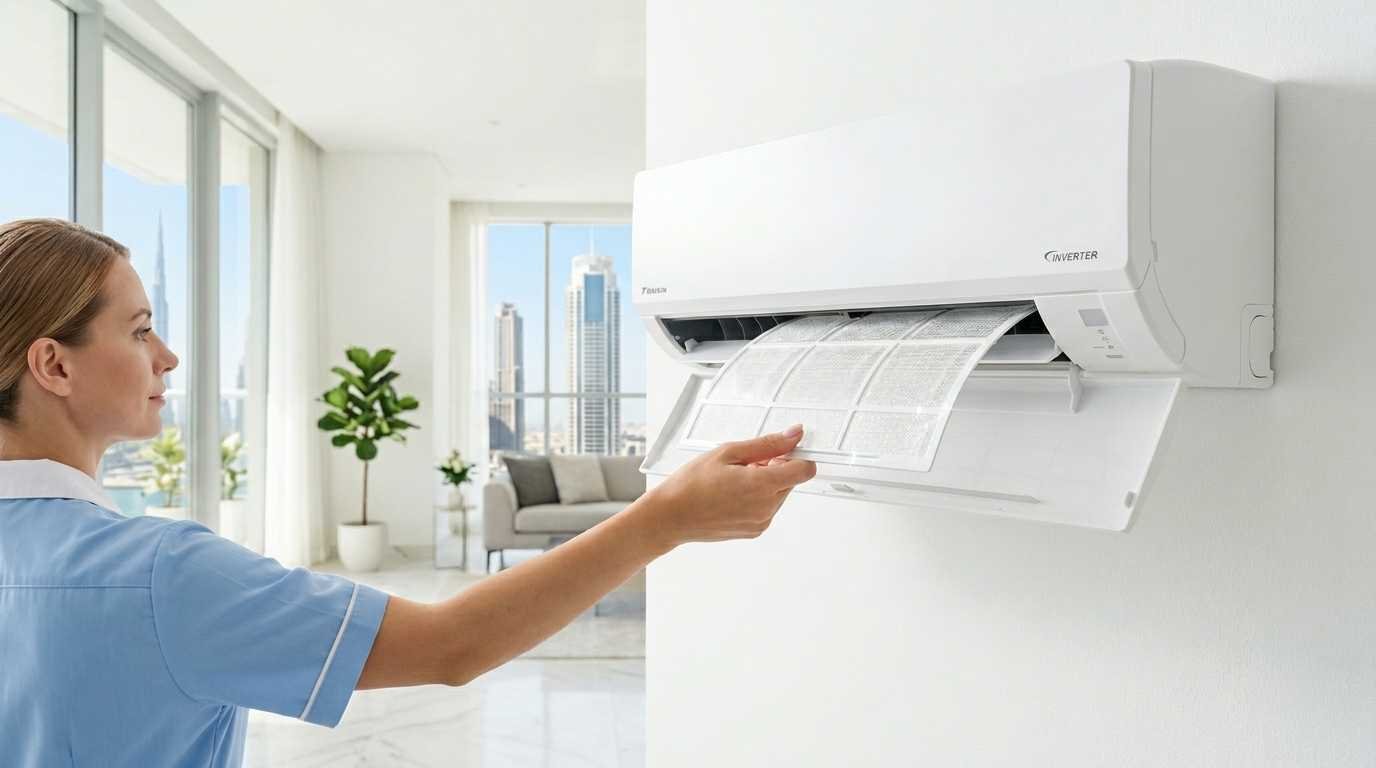
This sounds silly, but honestly check your main air filters right now. If they are completely caked in thick, gray dust, they will naturally absorb cooking smells and pet odors from your home. Every time the powerful fan completely kicks on, it aggressively blows those trapped, stale odors right back into your face continuously.
When to firmly call a professional cleaner
If you have thoroughly washed the easily accessible filters but the room still smells incredibly bad, you urgently need a pro. Dangerous mold spores are deeply hidden inside the delicate metal fins where your hands simply cannot reach safely. Scrubbing those fragile fins yourself will permanently bend them and totally ruin the machine’s efficiency.
Deep chemical coil cleaning
To completely kill deeply rooted mold, an expert technician must aggressively apply specialized, foaming chemical cleaners directly onto the thick indoor coils. This heavy foam aggressively bubbles up, completely pushing out years of deeply trapped dirt and stinky bacteria. Then they forcefully rinse it totally clean with pressurized water, leaving the entire system smelling beautiful.
Clearing severe drain line clogs
If the internal drain pan is actively overflowing with thick sludge, a professional will forcefully use highly pressurized nitrogen gas to instantly blow out the blocked pipe. This completely removes the stagnant, smelly water trap and actively ensures all future condensation flows perfectly smoothly outside, rather than sitting inside and smelling terrible forever.
Prevention stops the bad smells entirely
Seriously, you can effortlessly keep your indoor air smelling perfectly fresh by just being a bit proactive. A little bit of consistent cleaning goes a very long way. If you completely ignore your heavily working AC, it will eventually turn into a massive biology experiment inside your ceiling. Schedule a deep cleaning session before summer.
| Maintenance Step | Frequency | Why it matters |
|---|---|---|
| Wash Plastic Filters | Every 2 weeks | Removes trapped household odors |
| Deep Clean Coils | Every 6 months | Kills deeply hidden mold spores |
| Flush Drain Lines | Every 6 months | Stops stagnant water smells |
| Use Algae Tablets | Monthly | Prevents future bacterial growth |
Keeping the indoor air perfectly fresh
When dangerous mold actively grows inside your AC, you do not just smell it, you actually breathe it deeply into your lungs. That is incredibly bad for your family’s overall health and naturally makes the entire room feel uncomfortably stuffy. Keep the internal system totally dry and perfectly clean. Excellent air quality is absolutely essential.
- Always thoroughly check the indoor drain tray for any standing water.
- Actively use preventative anti-algae chemical tablets in the wet pan.
- Keep the immediate area around the outdoor condenser completely clear of trash.
Professional cleaning for ultimate peace of mind
If you absolutely cannot stand the terrible smell anymore, just get a pro. You can quickly book extremely reliable experts through AC Maintenance Dubai services to completely sanitize your entire system. They use heavy-duty anti-bacterial sprays that perfectly kill all hidden mold instantly. Do not let a small odor completely ruin your lovely home.
Is it safe to breathe the smelly air?
To be completely honest, constantly breathing in thick, moldy air is a truly terrible idea. While it won’t instantly harm you, the airborne mold spores can easily trigger severe asthma attacks, chronic coughing, and heavy allergic reactions over time. Your family deserves perfectly clean, highly purified air inside their own safe, comfortable home environment.
Final thoughts on terrible AC odors
Fixing a severely smelly AC is usually quite simple if you aggressively tackle the root bacterial cause early enough. Most of the time it is just a dirty, blocked pipe that desperately needs a deep flush. Stay totally on top of your routine maintenance and your AC will always blow beautifully fresh, icy cold air.
Frequently Asked Questions
Why does my AC suddenly smell exactly like dirty socks?
This incredibly common issue is widely known as dirty sock syndrome. It is directly caused by a massive buildup of nasty bacteria and dangerous mold actively growing on the damp indoor evaporator coils. You urgently need a professional deep chemical cleaning.
Can a dirty AC filter actually cause bad smells?
Yes, absolutely. A severely dirty filter actively traps heavy cooking odors, pet dander, and stale smoke. When the powerful blower fan forcefully pushes new air entirely through that dirty, clogged filter, the terrible smells are continuously circulated throughout your pristine room.
Is it completely safe to spray perfume into the AC vent?
No, this is a terrible idea. Strongly spraying heavy air fresheners directly into the delicate vents only temporarily masks the underlying bacterial problem. Worse, the sticky chemicals heavily coat the fragile internal coils, actively trapping even more smelly dirt over time.
How can I permanently stop the bad smells from returning?
The only truly effective way to completely prevent foul odors is by scheduling a thorough professional coil cleaning every six months. You must also regularly wash your basic reusable filters every two weeks to maintain perfectly clean, beautifully fresh indoor airflow.
This topic connects naturally with BEST PLACES TO VISIT — exploring it will give you a more complete picture.
With your indoor air quality under control, it’s the perfect time to plan an exciting getaway. If you’re a fan of thrilling experiences and entertainment, you might want to explore the best places to visit in Universal Studios for attractions and entertainment that will create unforgettable memories.